Mobile App Development Services
Mobile app development services across Flutter, React Native, native iOS, and native Android.



Decision will be made by features, users, timeline, and dependencies.
Not by trend or habit.
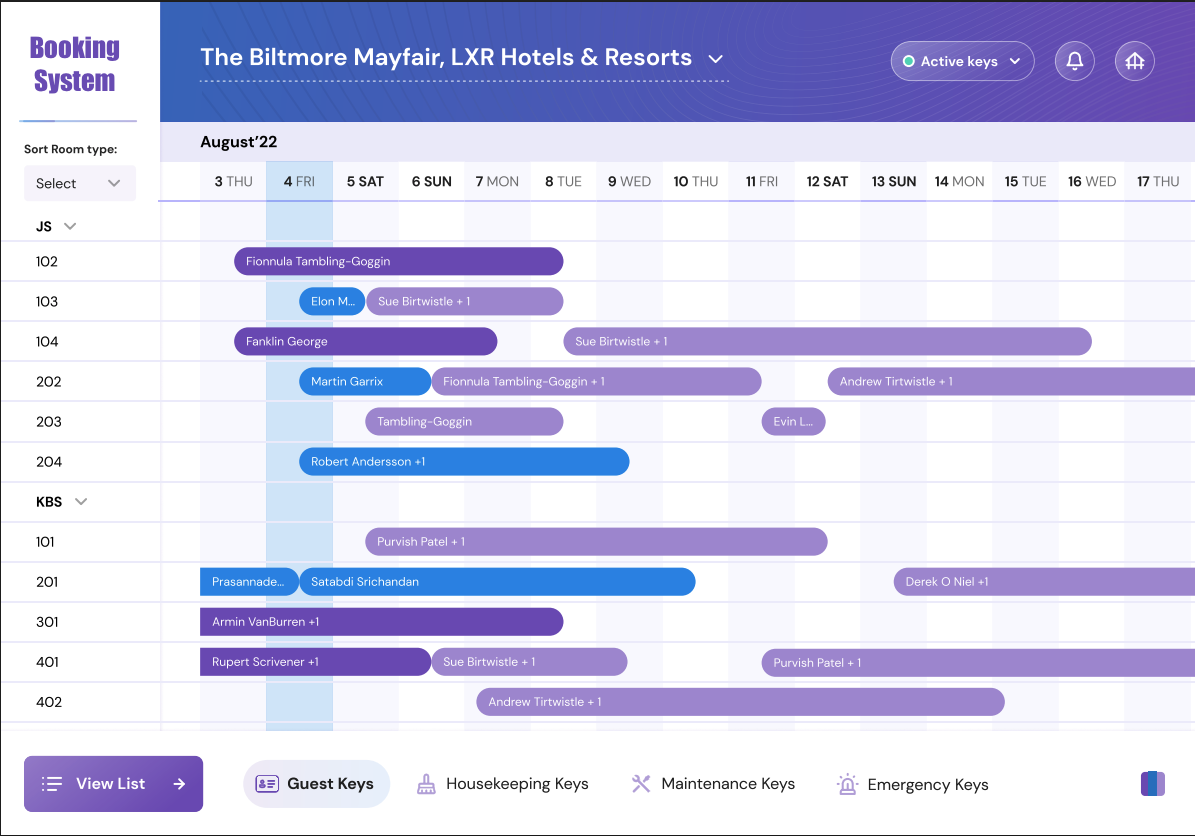
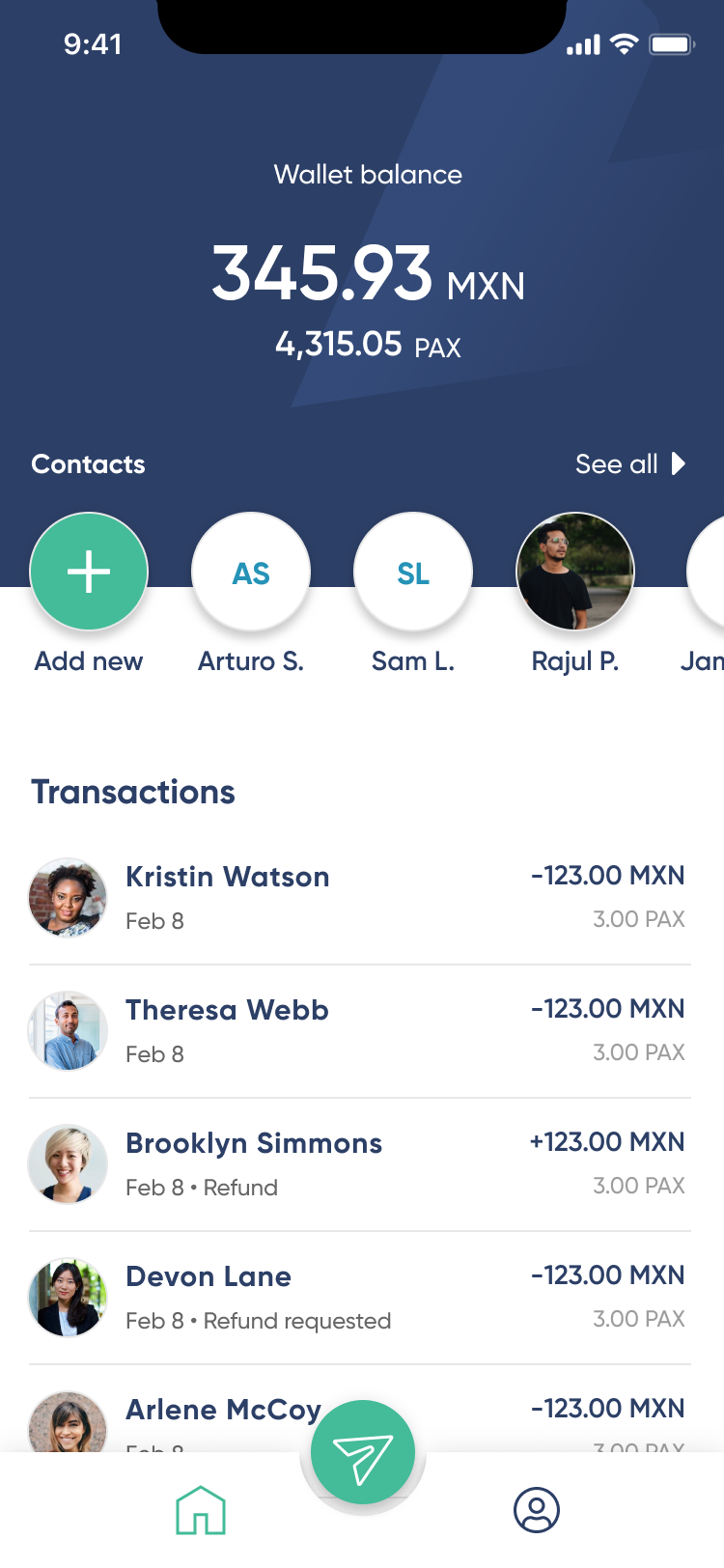
What we build into mobile apps
- 01
Real-time data transitions
How we build- Updates feel instant on screen
- Reconnects when network drops
- Server holds the truth
- No messages lost on reconnect
- Scales to thousands of users
Use cases Chat, live pricing, live bidding, presence, live score, location tracking - 02
Payments in-app
How we build- Card data stays with bank
- Double taps never charge twice
- Failed payments retry automatically
- Every transaction logged and signed
- Refunds tracked end to end
Use cases Freemium unlocks, subscriptions, order payments, one-tap checkout - 03
Offline-first data
How we build- Works without internet
- Writes saved locally first
- Syncs when connection returns
- Conflicts resolved, nothing lost
- Data encrypted on device
Use cases Data access without internet, offline edit, sync-on-reconnect, conflict resolution - 04
AI & ML inside the app
How we build- API keys held server-side
- Spending capped per user
- Private data stays on device
- Responses stream word by word
- Fallback model if one fails
- Tested before every release
Use cases Content, image, and data generation, summarisation, on-device inference, voice - 05
App-grade security
How we build- Biometric lock, not just password
- Secrets never inside the app
- Sessions expire after idle
- Data encrypted on device
- Jailbreak and tamper detected
- Keys rotated on schedule
Use cases Biometric unlock, secure storage, encryption at rest, anti-tamper, key rotation - 06
Maps & location
How we build- Map tiles cached on device
- Low data mode supported
- Pinch and rotate feel native
- Geofences fire in background
- Location asked only when needed
Use cases Geofencing, radius search, live tracking, search on map, route playback - 07
Hardware & sensors
How we build- Permissions asked at right moment
- Graceful fallback if denied
- Battery-friendly background use
- Data stays on device
- User controls every sensor
- Works across Android and iOS
Use cases BLE pairing, camera capture, NFC taps, gyroscope, health and fitness sensors - 08
Enterprise integration
How we build- Single sign-on through your provider
- Role-based access enforced
- Every action logged for audit
- Tested on staging before live
- Works inside private networks
- Data stays in your region
Use cases SAP, Salesforce, Oracle, legacy SOAP endpoints, ERP sync, SSO rollout
Flutter, React Native, or Native.
Three options on the table.
Flutter for new builds with three or more surfaces and a brand-first design language. React Native when the team already writes React for the web or when OTA updates are load-bearing. Native Swift or Kotlin when hardware access (CarPlay, HealthKit, Wear OS) drives the build.
Real case: JustKeyLess keyless hotel access on iPhone, iPad, and web from a single codebase.
The comparison, side by side.
Same questions every time:
- Which platforms?
- Which engine?
- Which native APIs?
- Who maintains it next year?
Read the matrix; the winning cell per row is highlighted.
Real case: cross-border airtime top-ups shares logic with a Next.js reseller dashboard.
Server, or serverless.
- Serverless (Firebase, Supabase, Lambda, GCF) - zero infrastructure to manage. The team ships features, not patches.
- Traditional servers (EC2, Fly.io, Render, FastAPI on a VM) - full control over runtime, network, and persistent state.
- The call comes down to traffic shape, job duration, and who carries infrastructure after launch.
 Firebase
  Supabase
  AWS Lambda
  Google Cloud Functions EC2
  Fly.io
  Render
  FastAPI + Gunicorn
 - Is traffic spiky and unpredictable, or steady and high-volume?
- Do background jobs run longer than 15 minutes?
- Who owns infrastructure maintenance after launch?
- Is pay-per-use billing better than a fixed monthly server cost?
8 weeks. 16 weeks. 24 weeks.
Timelines we have actually shipped. No "agile" hand-waving.
- 8 weeks MVP sprint
- One platform, one or two flows
- Auth, simple payments, push notifications
- Hard scope freeze at week one
- Output: TestFlight build + single signed Play app
- Pick this when: validate or kill before the next funding round
- 16 weeks V1 production
- iOS and Android, three to five flows
- Offline-first and real-time if needed
- ASO, store assets, monitoring and analytics wired in
- Two-week sprints, demo on real hardware every Friday
- Output: v1 with crash rate under 1% + runnable release pipeline
- 24 weeks scale-up build
- Multi-tenant, role-based admin
- Complex backend integrations - SAP, Salesforce, legacy SOAP
- Full QA matrix across device tiers, WCAG 2.2 AA
- Staged rollouts, audit trails for regulated data
- Pick this when: data model fights you and integrations outnumber screens
Add 2 to 4 weeks of discovery before any of these. Discovery ends with a written architecture, a wireframe pass, and a scoped proposal before the build clock starts.
What goes wrong, and the fix.
Patterns we keep seeing in apps we did not start. Each one is a real fix we have shipped on a takeover build.
-
Rebuild cascades in Flutter.
State at the root, the whole widget tree re-renders on a keystroke. Move state to the smallest widget that owns it, use Selector or Consumer correctly. We fixed this on a multi-region property search app.
-
Unchecked re-renders in React Native.
Inline object props, no
useMemo, every tap re-renders the list. Memoise list items, switch from FlatList to FlashList where it matters. -
No crash reporting on day one.
Production stays quiet until a user emails support. Sentry or Crashlytics with release-tagged uploads from the first TestFlight build, not the tenth.
-
Manual store uploads from a single laptop.
Nobody remembers which build is prod. Fastlane plus CI, every merge to main cuts a TestFlight build with the right signing identity.
-
OTA without rollout gates.
Shipping a JavaScript bundle to one hundred percent of users at midnight. Use Expo Updates channels or Shorebird staged rollouts, with kill-switch via remote config.
-
Signing certificates expiring during a holiday.
The app stops updating for three days. Shared signing vault, calendar alerts, runbook with the steps written down.
Two vaults. One stays empty. Yours.
Source code, store accounts, signing keys, infrastructure, CI, design files. Six items. All in your name from day one. Nothing in ours when we leave.
All Yours
Empty. By design.
Day-one ownership is contractual. If any item lands in our vault instead of yours, you keep the signing keys and the final invoice doesn't ship. Standard clause in every master services agreement.
Going live is week one of operations.
Your app's ops dashboard, every working day. Crash triage, OTA rollouts, store policy, dependencies, OS cadence, analytics. Nothing waits for the next sprint.
Triage on a release-tagged crash report happens in hours, not next sprint. Retainer SLA is in writing. Standard cadence in every post-launch agreement. Customisable upward, never downward.
Same engineers, different shapes.
Same engineers across every model. The shape changes, the bar does not.
- Most picked
MVP sprint
Fixed scope, fixed timeline, one platform, one to two flows.
Best for Pre-seed founders validating an idea before fundraising.
-
Full product build
Discovery to launch, our team owns the delivery. Best for startups and companies without an in-house mobile team.
-
Dedicated team
Your roadmap, our developers, onboarding in three to five days. Best for scale-ups with an existing app and a feature backlog that is outrunning the team.
-
App rescue and audit
Written audit of the codebase, architecture, and pipeline, then we rebuild the parts that earn it. Most rescue jobs cost less than a full rewrite.
-
Staff augmentation
Specific skills added to your team (Flutter, React Native, Swift, Kotlin, FastAPI). Best for enterprises filling a named gap.
No prices on the page, they depend on scope. Share the brief and we come back with a number.
Three apps, three different stack picks.
Three apps, three different stack picks, three different reasons.
- 01/03
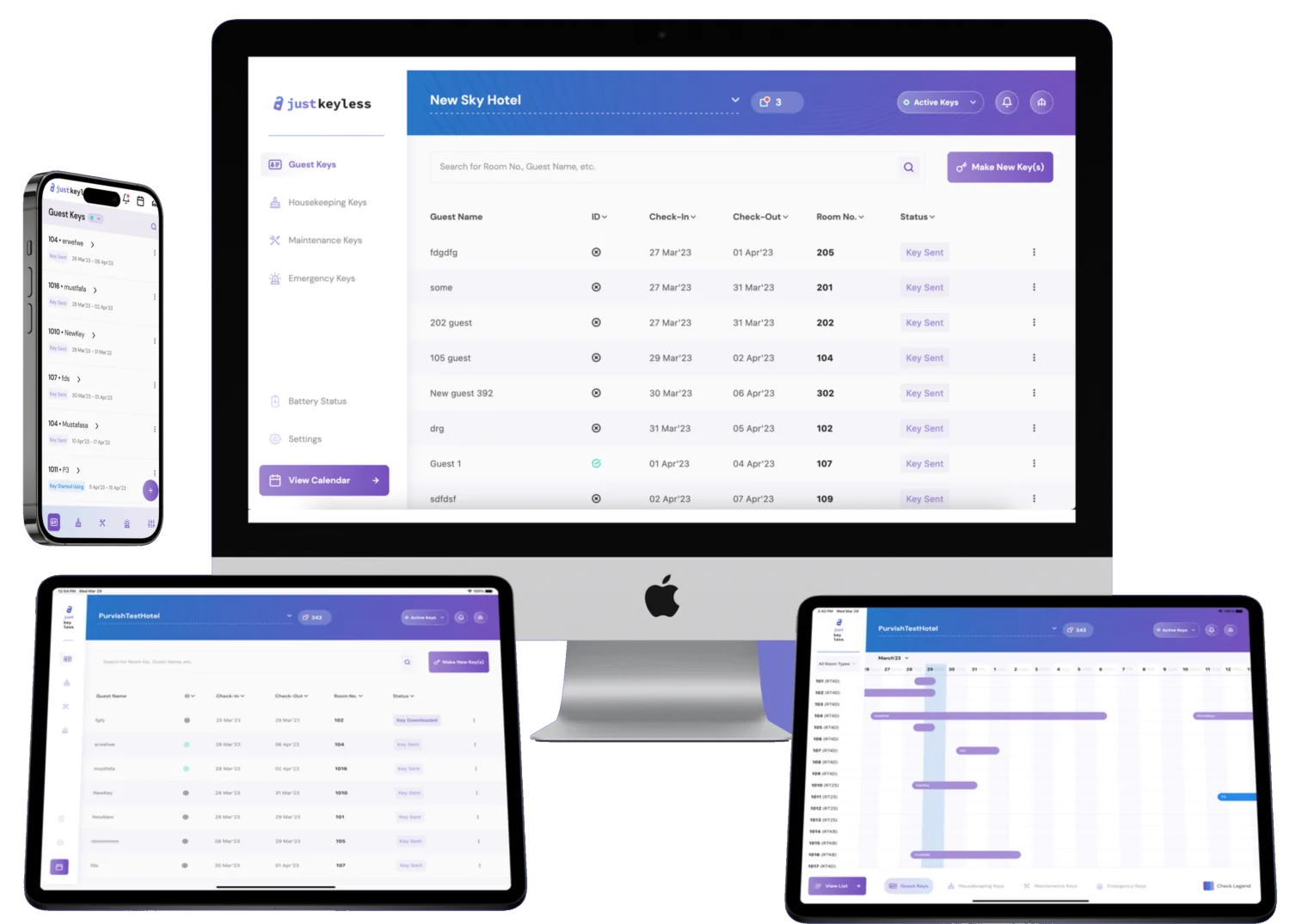
JustKeyLess keyless hotel access
Flutter on iPhone, iPad, and web from one codebase.
Three surfaces shared booking logic, brand wanted pixel-identical rendering across all of them.
- 3 Surfaces
- 1 Dart codebase
- BLE Lock fleet
FlutterFastAPIBLERead full case - 02/03
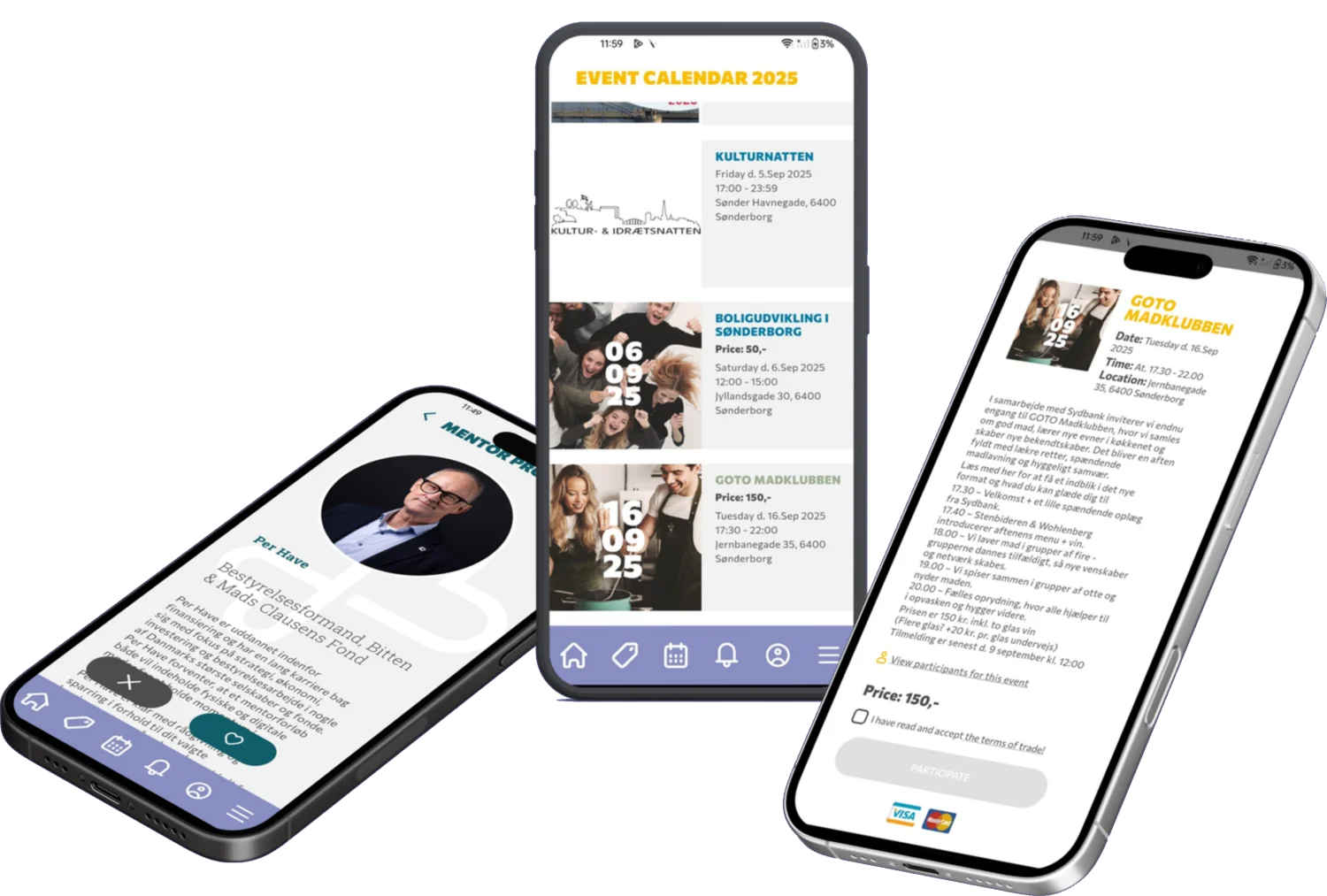
Bilingual community app
Flutter on iOS and Android, trilingual UI, age-gated content.
Design system reach across two platforms with one team, three languages, in-app paid ticketing, segmented push channels via FCM.
- iOS+Android Live in stores
- 3 Languages
- Push Segmented channels
FlutterFCMStripeRead full case - 03/03
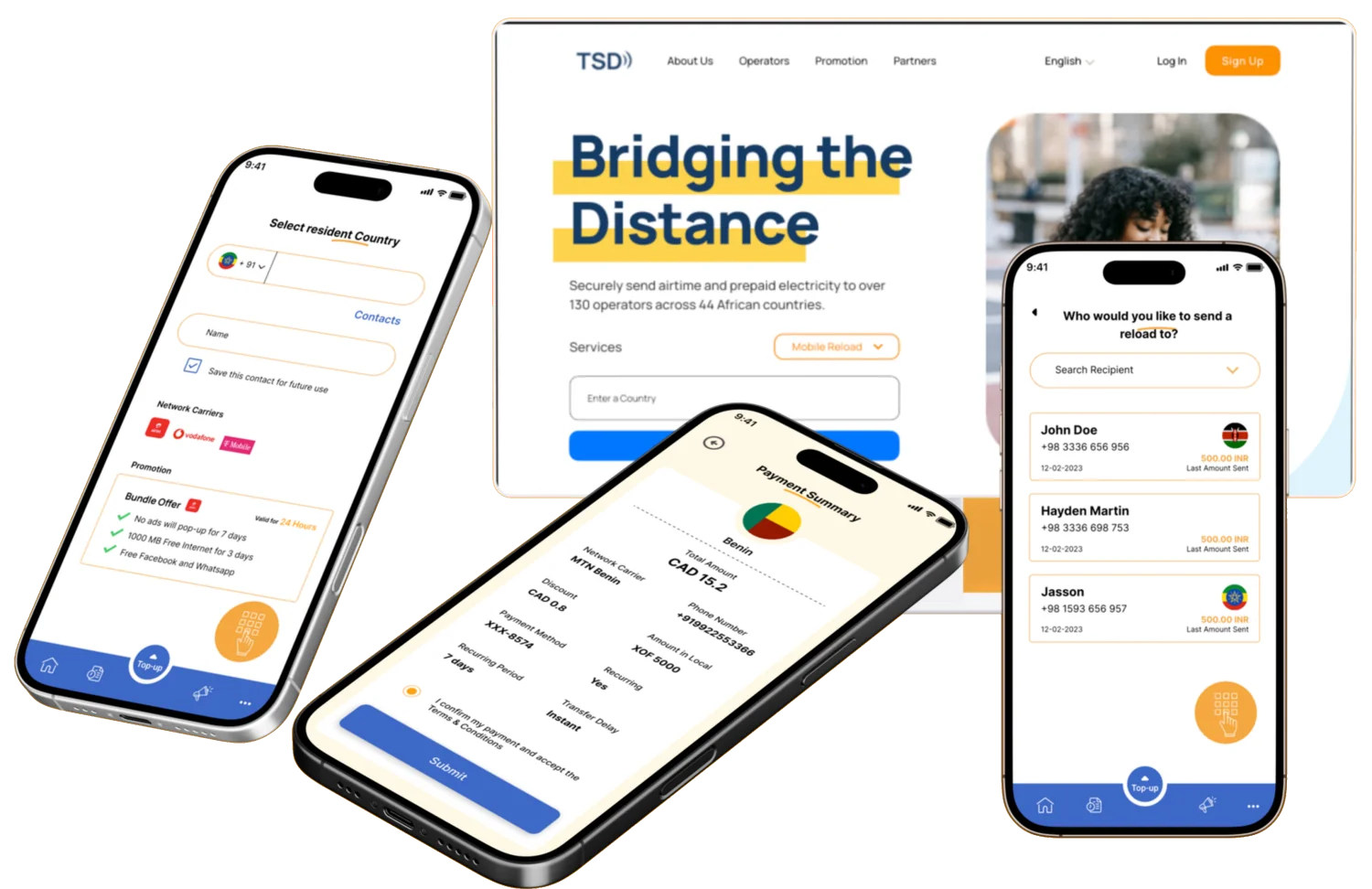
Cross-border airtime top-ups
React Native against a Next.js reseller dashboard.
Web team already lived in TypeScript, JS bundle reuse across web and mobile was load-bearing. Multi-gateway payments, OTA via Expo Updates.
- Multi Gateway pay
- OTA Expo Updates
- Real-time Order status
React NativeNext.jsExpo UpdatesRead full case
Live in production today.
Drawn from apps live in production. No fictional industries.
Few minutes on a call.
We come back with a written stack recommendation, a timeline range, and a scoped proposal for a discovery sprint. Send a one-page brief or a Notion link. The discovery sprint is where the spec gets written.
- Q1
Current stack and team shape
What your web app runs on, who is on the team, what languages they ship in. We pick against the team you already have.
- Q2
Target platforms and surfaces
iOS only, Android only, both, plus tablet and web reach if relevant. The number of surfaces drives the framework call.
- Q3
Hard deadlines
Investor pitch, conference launch, regulatory cutover, contract milestone. Honest dates, not "as soon as possible."
- Q4
Hard constraints
Compliance scope (HIPAA, PCI, GDPR), accessibility levels, hosting region, on-premise demands, supported languages.
Questions people ask before we start.
How long does it take to build a mobile app?
A production v1 with two or three complex flows, payments, push, and auth typically runs 12 to 26 weeks. A fixed-scope MVP runs 8 to 12 weeks. Discovery (2 to 4 weeks) ends with a written architecture and a scoped proposal before the build clock starts.
What does mobile app development cost?
Discovery sprint is fixed at USD 4,500 over two weeks - written spec, architecture, and a fixed quote for the build. MVP builds (8 to 12 weeks, one platform, one or two flows) start at USD 25,000. V1 production builds (iOS plus Android, 12 to 26 weeks) start at USD 50,000. Scale-up builds and dedicated teams quoted on scope. We work fixed price once the spec is written, hourly during discovery or for ongoing maintenance. Senior engineers, India base, billed in USD, GBP, or AUD.
Flutter, React Native, or native: which one wins?
Neither cross-platform framework wins universally. Flutter for new builds with three or more surfaces and a brand-first design language. React Native when the team already writes React for the web or when OTA updates are load-bearing. Native Swift or Kotlin when hardware access (CarPlay, HealthKit, Wear OS) drives the build. We pick per product, not per brand.
When does a mobile app need its own backend server, and when does Firebase or Supabase cover it?
- Serverless (Firebase, Supabase) is the right default for most MVPs - auth, database, storage, real-time, and push are production-ready on day one
- Team ships faster and pays per use, not per server
- Switch to a custom backend (FastAPI, Node, Django) when jobs run longer than 15 minutes, webhooks need idempotency, or multi-tenant role logic outgrows Postgres RLS
- Also worth the switch when one typed interface needs to serve both mobile and a web admin dashboard
- Most common takeover pattern: Firebase launch, hundreds of Cloud Functions later, expensive rewrite - a lightweight FastAPI service from the start would have cost less
- Our default: serverless for speed-to-MVP, custom backend when background jobs or duplicated validation across clients force the issue
Do I own the source code?
Yes. Full IP transfer at launch. Source, design files, CI configuration, infrastructure definitions, signing keys, store accounts. NDA signed before the first conversation about your data.
Can you take over an app built by another team?
Yes. We start with a written audit of the codebase, architecture, and pipeline. You get a risk register, a migration plan, and a scoped proposal before we write a line of new code. Most rescue jobs cost less than full rewrites.
What happens if I want changes after launch?
We stay. Post-launch support runs as a retainer, a staff-augmentation arrangement, or a second build phase, your call. Crash monitoring, OS compatibility updates, and feature expansion continue without re-onboarding a new team.
Do you work with startups or only enterprises?
Both. Pre-seed MVP sprints, scale-up feature teams, and enterprise programmes all fit; the engagement model changes, not the engineering bar.
Where does your team sit?
Distributed. Senior engineers across multiple time zones, working overlapping hours with US, UK, EU, and AU clients. TechyPanther is global, not a local agency in a city we are not registered in.
How do you handle data security?
OWASP Mobile Top 10 as a baseline. NDA before the first call. GDPR, HIPAA, PCI-DSS scoped into the build when the data demands it. API keys stay server-side. The mobile bundle never holds credentials a decompile would leak.
Talk to the engineer who will build it.
Share the spec, the platforms, and the deadline. We reply with a Flutter-or-React-Native-or-native recommendation, a timeline, and a scoped proposal for a discovery sprint. If mobile is the wrong call for your product, we will say so.
Sameer Donga
Shipping Flutter, FastAPI, and AI systems since 2019. Reviews the architecture on every engagement.